

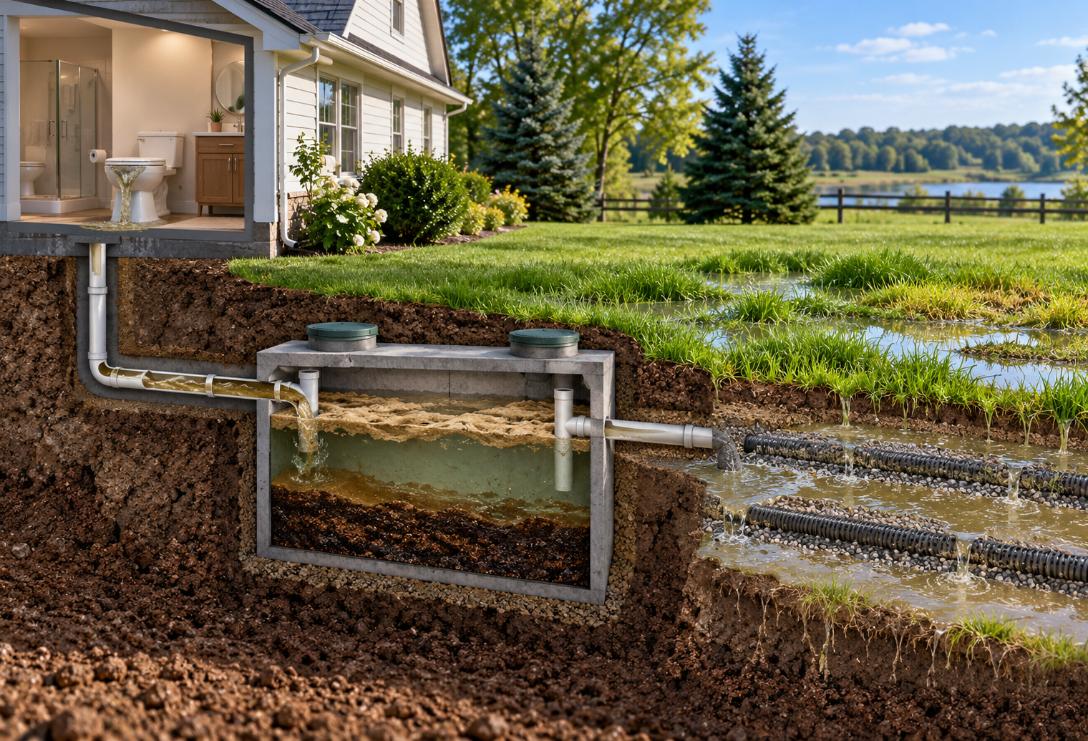
For homeowners in Okanogan, WA, a septic tank is easy to forget about until something goes wrong. Between hot, dry summers, freezing winter temperatures, and the demands of everyday household water use, your septic system works year-round. Skipping routine pumping can turn a manageable maintenance task into an expensive plumbing or wastewater problem.
Quick answer: If you don’t pump your septic tank, sludge and solid waste gradually accumulate inside it. Eventually, those solids can escape into the drainfield, clog the soil, and prevent wastewater from being properly treated. This can lead to slow drains, sewage backups, foul odors, contaminated soil, and costly repairs. Regular septic pumping helps remove accumulated waste before it damages other parts of your system.
What local homeowners should know
-
Most household septic tanks need pumping approximately every three to five years, although some require more frequent service.
-
Okanogan County properties with private wells should pay particular attention to septic maintenance because failing systems can threaten groundwater quality.
-
Spring snowmelt and seasonal soil saturation can make existing drainfield problems more noticeable in the Okanogan Valley.
-
Septic tanks can develop serious sludge buildup even when toilets and household drains appear to be working normally.
-
Pumping removes accumulated solids, but it cannot automatically repair a damaged or clogged drainfield.
In Okanogan, septic maintenance matters for properties outside municipal sewer service, including rural homes, acreage properties, and residences throughout the surrounding valley. Soil conditions, groundwater levels, and system designs vary from one property to another.
At Mrs. Pumpco, LLC, we understand why homeowners want to avoid unexpected septic problems. Knowing what happens when pumping is delayed can help you recognize trouble early and make informed maintenance decisions.
Local Data or Field Observations
Routine septic pumping is an established maintenance practice that helps prevent solids from entering and damaging a drainfield. The U.S. Environmental Protection Agency recommends pumping most household septic tanks every three to five years, depending on tank capacity, household size, water usage, and accumulated waste.
Washington State Department of Health guidance also requires periodic septic system inspections. Gravity systems generally must be inspected at least once every three years, while other system types generally require annual inspections.
Okanogan County Public Health District provides septic maintenance information and resources for onsite sewage systems.
These guidelines matter because a septic tank does not need to overflow before neglect starts affecting its performance. Solid waste can accumulate gradually, and the resulting damage may remain hidden underground.
Local Impact
Failing to pump a septic tank can affect household plumbing, outdoor property conditions, and nearby water resources. For Okanogan homeowners, the consequences may be especially disruptive when wastewater problems develop during winter weather or periods of increased household water usage.
A neglected system can cause several problems.
Sewage backups: Wastewater may return through toilets, showers, or floor drains when the septic system cannot handle additional flow.
Drainfield damage: Sludge and grease can move beyond the septic tank and clog the soil intended to absorb and treat wastewater.
Unpleasant odors: Wastewater escaping or accumulating where it should not can produce strong sewage smells around the home or yard.
Potential contamination: Untreated wastewater can expose people, pets, and nearby water resources to harmful microorganisms.
For properties near the Okanogan River or those relying on private wells, identifying wastewater problems promptly is especially important.
Warning Signs
Warning signs of an overdue septic tank can include changes in drainage, unusual odors, and wet conditions around the system. Although these symptoms can have other causes, they deserve attention because they may indicate accumulated waste, a plumbing blockage, or a struggling drainfield.
Watch for these seven signs:
-
Slow household drains: Sinks, bathtubs, and showers take longer than usual to empty.
-
Gurgling plumbing: Toilets or drainpipes make unusual bubbling sounds when water runs.
-
Sewage odors: Strong wastewater smells develop near the tank, drainfield, or household plumbing.
-
Standing water: Unexplained wet spots or pooling appear over the septic tank or drainfield.
-
Sewage backups: Wastewater comes back through plumbing fixtures or floor drains.
-
Unusually green grass: A strip of grass above the drainfield looks noticeably greener or more lush than surrounding vegetation during dry weather.
-
Recurring drainage problems: Multiple plumbing fixtures repeatedly drain poorly, even after basic troubleshooting.
A single slow sink does not necessarily mean the septic tank needs pumping. However, several fixtures behaving unusually at once can indicate a broader wastewater problem.
When to Call a Professional
Professional septic service is necessary when you notice sewage backups, persistent odors, unexplained wet areas, or widespread drainage problems. These symptoms can indicate that the tank, piping, or drainfield needs evaluation rather than another temporary plumbing fix.
For Okanogan County properties, it is also wise to arrange maintenance when you cannot remember the last pumping or have no records from the previous property owner.
Homeowners can safely monitor drainage, reduce unnecessary water use, and inspect the ground surface for unusual wet spots.
However, never enter a septic tank or open and lean over an access opening to inspect it yourself. Septic gases and confined spaces can be deadly.
If sewage is backing up into your home, minimize water use, avoid contact with wastewater, and request professional assistance promptly.
Common Local Causes
Septic problems frequently result from delayed pumping, excessive water use, unsuitable materials entering the tank, or drainfield conditions that interfere with wastewater absorption. In the Okanogan Valley, seasonal moisture and differences between low-lying and hillside properties can add to existing system challenges.
1. Delayed pumping
As sludge accumulates, the available space for wastewater separation decreases. Eventually, solids may reach the tank outlet and travel toward the drainfield.
2. Excessive household water use
Multiple laundry loads, long showers, leaking toilets, and heavy daily water usage can overwhelm a system’s treatment capacity.
3. Flushing inappropriate materials
Wipes, paper towels, hygiene products, grease, and excessive food waste can increase solids or create blockages.
4. Drainfield saturation or compaction
Spring snowmelt, poor drainage, or vehicles driving over a drainfield can interfere with wastewater absorption.
5. Aging or damaged system components
Older tanks, deteriorating outlet baffles, clogged filters, and damaged pipes can contribute to problems even when pumping has been performed regularly.
Prevention and Maintenance
Preventing septic problems begins with scheduled inspections, appropriate pumping, careful water use, and protecting the drainfield. For homeowners in Okanogan, planning maintenance before winter freezing conditions or periods of heavy spring runoff can make routine service access more convenient.
Practical steps include:
-
Keep a written record of pumping dates, inspections, and repairs.
-
Ask a septic professional to recommend a pumping interval based on actual sludge and scum levels.
-
Spread laundry loads across several days instead of running many consecutive cycles.
-
Repair leaking toilets and faucets to reduce unnecessary wastewater flow.
-
Flush only human waste and toilet paper.
-
Keep vehicles, trailers, and heavy equipment off the drainfield.
-
Direct roof runoff and surface drainage away from the septic system.
-
Keep tank access locations identified and accessible for future service.
Avoid relying on septic additives as a replacement for pumping. Products marketed to break down waste do not reliably eliminate the need to remove accumulated solids.
Expected Results
Regular septic pumping removes built-up sludge and floating scum so the tank can continue separating solid waste from wastewater. When performed before excessive accumulation damages the system, pumping can help reduce the risk of blockages and protect the drainfield.
During professional service, a technician may also identify visible tank concerns or recommend additional inspection.
Homeowners should remember that pumping does not guarantee an immediate solution to every drainage problem. A clogged drainfield, damaged pipe, malfunctioning pump, or saturated soil may require separate evaluation and corrective work.
The primary benefit of preventive pumping is reducing avoidable stress on the septic system.
Common Mistakes
Common septic maintenance mistakes often start with assuming that a working toilet means the entire system is healthy. Unfortunately, several everyday habits can allow a minor maintenance need to develop into a more serious problem.
Mistake: Waiting until sewage backs up
Consequence: By the time wastewater enters the home, the system may already be experiencing significant drainage problems.
Better approach: Establish a pumping schedule before symptoms appear.
Mistake: Flushing wipes labeled as flushable
Consequence: Wipes may not break down adequately and can contribute to blockages.
Better approach: Place wipes and other disposable hygiene products in the trash.
Mistake: Parking over the drainfield
Consequence: Vehicle weight can compact soil or damage underground components.
Better approach: Keep drainfield areas free of vehicles and heavy equipment.
Mistake: Assuming pumping fixes everything
Consequence: A failing drainfield or broken component may continue causing problems.
Better approach: Request an appropriate inspection when drainage issues remain after pumping.
Common Local Scenario
A common local scenario involves an older rural home near Omak or Malott where the property owner has no reliable record of the last septic pumping. Household plumbing appears normal, so maintenance keeps getting postponed.
Eventually, the homeowner notices that the washing machine drains slowly and the toilet occasionally gurgles. After a period of increased water usage, several fixtures begin draining poorly.
These symptoms could indicate sludge accumulation, a blocked pipe, or a drainfield issue.
Rather than repeatedly using drain cleaners, the better approach is to arrange a septic assessment and determine whether pumping or additional service is needed.
This hypothetical situation illustrates why preventive maintenance is more dependable than waiting for visible failure.
Related Service Solutions
Septic pumping, inspections, and appropriate system repairs address different parts of septic maintenance. Choosing the correct service depends on whether the problem involves accumulated solids, damaged components, or wastewater that cannot properly enter the drainfield.
Septic tank pumping removes collected sludge and scum from the tank.
Septic inspections help assess tank conditions, components, maintenance needs, and signs of system trouble.
Filter cleaning and component maintenance may help restore proper operation when supported by the system’s design.
Drainfield evaluation helps determine whether persistent drainage problems extend beyond the septic tank.
We encourage property owners to identify the actual cause of a problem rather than assuming every issue can be solved by pumping alone.
Comparing Your Options
Preventive pumping is generally the better option when a septic system is functioning normally but has accumulated enough solids to require maintenance. Emergency service becomes necessary when sewage is backing up, wastewater is surfacing, or the system is no longer operating safely.
| Option | Best situation | What to consider |
|---|---|---|
| Routine pumping | Tank approaching its recommended service interval | Helps remove solids before they reach the drainfield |
| Professional inspection | Unknown system history or unexplained symptoms | Can identify maintenance needs and possible defects |
| Emergency evaluation | Sewage backups or wastewater surfacing | Requires prompt attention and reduced water use |
| Repair or replacement | Damaged components or failed treatment area | May involve additional assessment, permits, and higher costs |
DIY maintenance is useful for reducing water waste and protecting the drainfield, but removing septic waste requires appropriate professional equipment and disposal.
Service Areas
Homeowners in Okanogan and nearby communities such as Omak, Malott, Riverside, and Tonasket face many of the same septic maintenance concerns, although site conditions and system designs differ.
Throughout Okanogan County, property owners should confirm service availability and any applicable county requirements before scheduling pumping, inspections, or repairs.
Cost of Ignoring the Issue
Ignoring septic tank maintenance can turn a relatively predictable service expense into a much larger property repair. The greatest financial risk is not simply having a tank filled with solids, but allowing those solids to damage components that are more difficult and expensive to restore.
Possible expenses include sewage cleanup, plumbing repairs, damaged flooring, drainfield rehabilitation, and system replacement.
For rural properties with limited wastewater alternatives, a failing system can also disrupt everyday activities until repairs are completed.
Routine pumping cannot prevent every septic failure, but it can reduce the chance of expensive problems caused by accumulated waste.
FAQ
1. How often should I pump my septic tank in Okanogan, WA?
Most residential septic tanks should be pumped approximately every three to five years, according to general EPA guidance. Your actual schedule depends on household size, tank capacity, water usage, and sludge accumulation. Properties with higher wastewater demand may require more frequent pumping. Regular inspections help determine the appropriate interval.
2. What happens if I never pump my septic tank?
If you never pump your septic tank, solid waste can accumulate until it interferes with normal treatment. Sludge may eventually pass through the outlet and clog the drainfield. This can cause slow drains, sewage backups, wastewater surfacing, and expensive repairs. Some systems show few warning signs before developing serious problems.
3. Can a full septic tank contaminate a private well in Okanogan County?
A neglected septic system can contribute to groundwater contamination if untreated wastewater escapes or the treatment area fails. The risk depends on soil conditions, groundwater movement, system condition, and distance from the well. Homeowners using private wells should maintain their septic systems and follow recommended drinking water testing practices.
4. Will my septic tank overflow if I skip pumping?
Skipping pumping does not always cause wastewater to overflow directly from the tank. Septic tanks normally contain liquid near their operating level. The main concern is excessive sludge and scum, which can interfere with treatment and allow solids to enter the drainfield. Backups or wastewater surfacing may develop as the system struggles.
5. Is spring a good time for septic pumping in the Okanogan Valley?
Spring can be a convenient time for septic maintenance, especially when homeowners are preparing for increased summer water use. However, snowmelt may leave some properties with saturated soil. Pumping a tank during flooded or severely saturated conditions can present risks, so a professional should evaluate whether conditions are appropriate.
6. How do I know whether my septic system needs pumping or repair?
An inspection is the most reliable way to distinguish routine pumping needs from problems requiring repairs. Sludge measurements can indicate when waste removal is necessary. Persistent backups, surface wastewater, damaged piping, or a poorly draining treatment area may require additional work. Pumping alone cannot repair a failed drainfield.
7. Can cold Okanogan winters affect septic pumping?
Cold winters can complicate septic maintenance when frozen ground, snow cover, or inaccessible tank lids interfere with service. Freezing weather does not eliminate the need for pumping or automatically cause sludge buildup. Keeping the access location identified and planning routine maintenance before severe winter weather can help homeowners avoid unnecessary scheduling difficulties.
8. Who oversees septic system requirements in Okanogan County?
The Okanogan County Public Health District administers local onsite sewage system programs, including applicable regulations and information about approved septic professionals. Washington State Department of Health provides additional statewide guidance. Property owners should confirm inspection responsibilities, required qualifications, and permit requirements before arranging work involving septic system modifications or replacement.
Protect Your Septic System Before Problems Start
A neglected septic tank can affect more than your drains. It can create sanitation concerns, damage underground wastewater components, and leave homeowners facing costly repairs.
The good news is that regular maintenance gives you an opportunity to address sludge buildup before it causes avoidable damage.
We believe septic care should begin with understanding your system, recognizing warning signs, and taking action at the right time. Keeping up with pumping and inspections is one of the most practical ways to protect your home and property.
Protect Your Okanogan Home With Timely Septic Pumping
Don’t let an overdue septic tank become an unexpected wastewater emergency. We can help you take the next step toward better septic maintenance and peace of mind.